Rosewool Insulation Refractory Co.,Ltd.

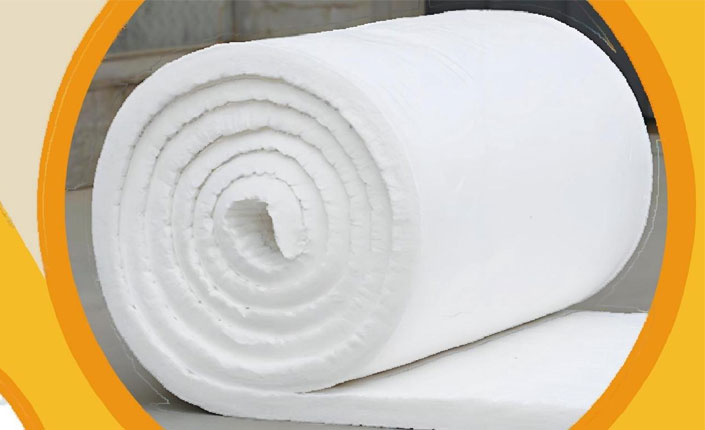


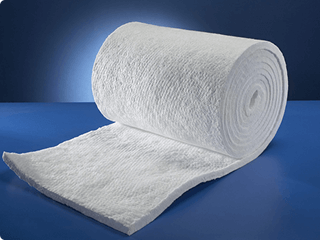
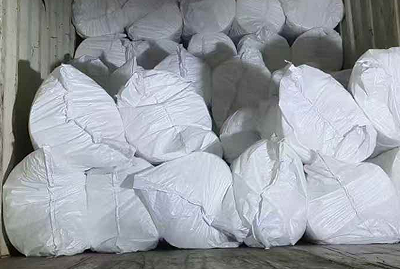
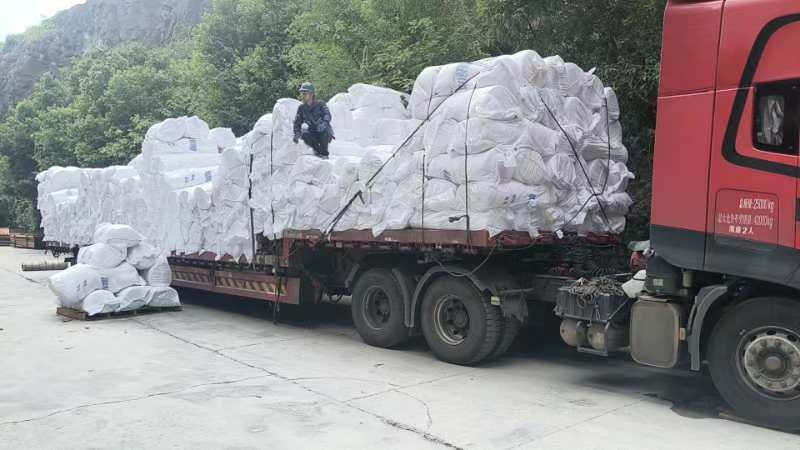




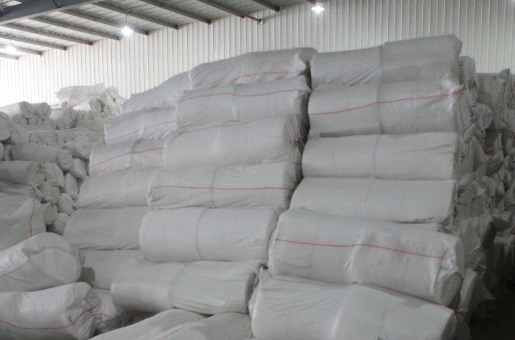
Selecting the correct density for ceramic fiber blankets is critical for balancing performance and cost. Densities typically range from 96 kg/m³ to 160 kg/m³ (6 to 10 lb/ft³), each suited to specific needs.
Lower density (96 kg/m³) blankets excel in general insulation, such as wrapping pipes or lining low-heat furnaces. They’re lightweight and easy to install, making them ideal for quick retrofits. Medium density (128 kg/m³) works best for industrial furnaces operating between 1050°C and 1200°C, offering a balance of insulation and durability. High density (160 kg/m³) is designed for extreme conditions, like steel mill ladles or high-temperature kilns, where resistance to mechanical stress and heat retention are paramount.
Always match density to your operating temperature and mechanical demands. A 160 kg/m³ blanket in a low-heat application wastes budget, while a 96 kg/m³ option in a 1200°C furnace may degrade quickly. Consult technical specs or your supplier to avoid over-engineering or underperforming solutions.
Ceramic fiber blankets come in regular, standard, high-purity, high aluminum, and zirconium containing types;
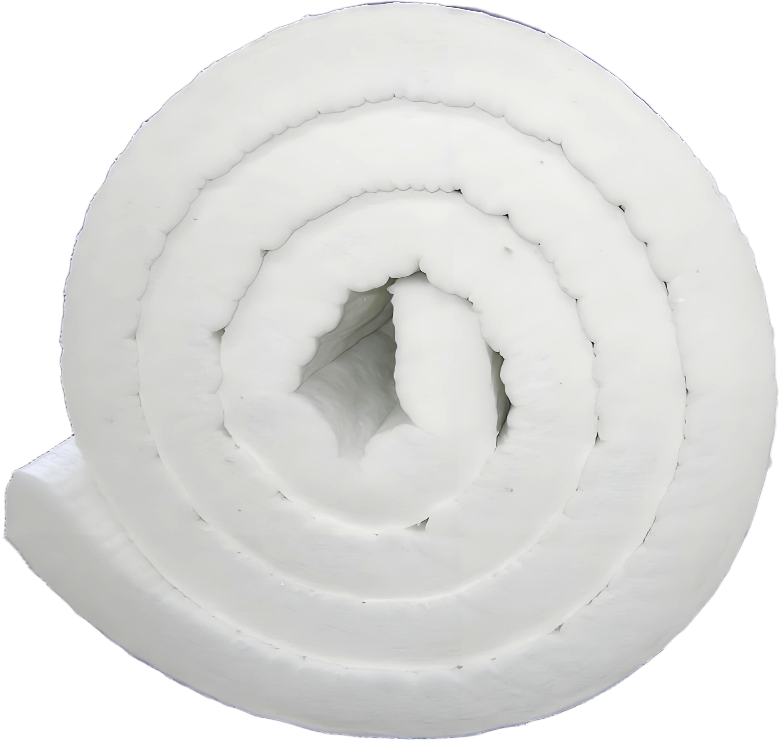
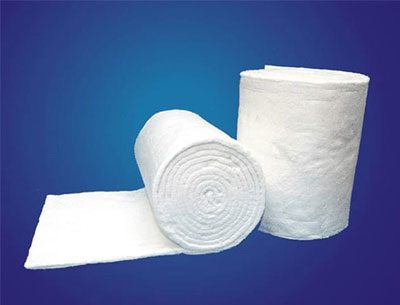
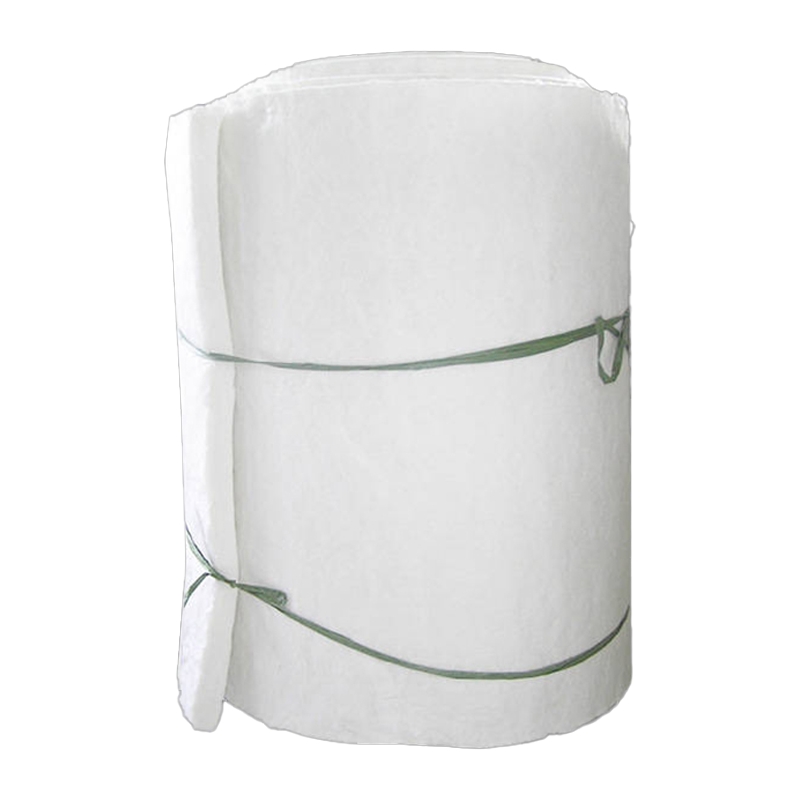
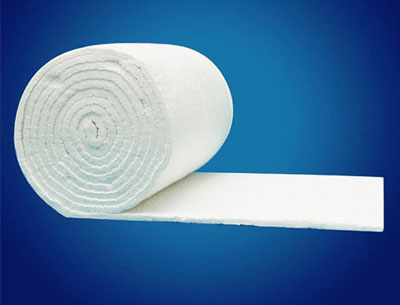
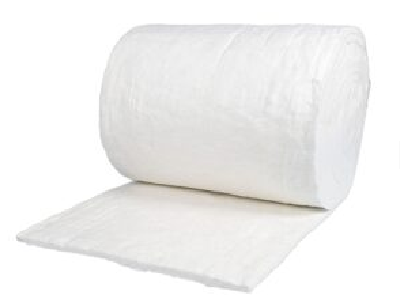
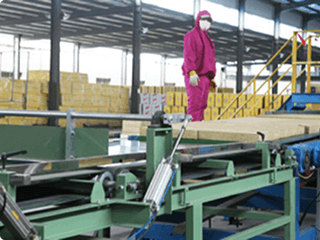
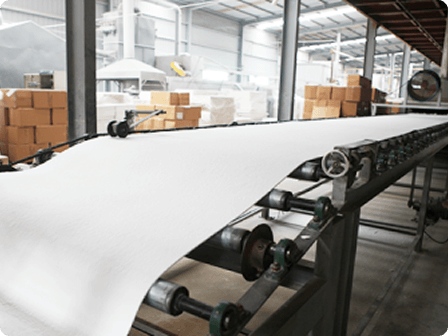
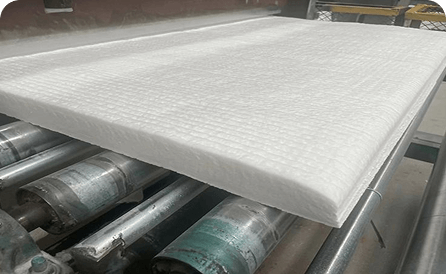
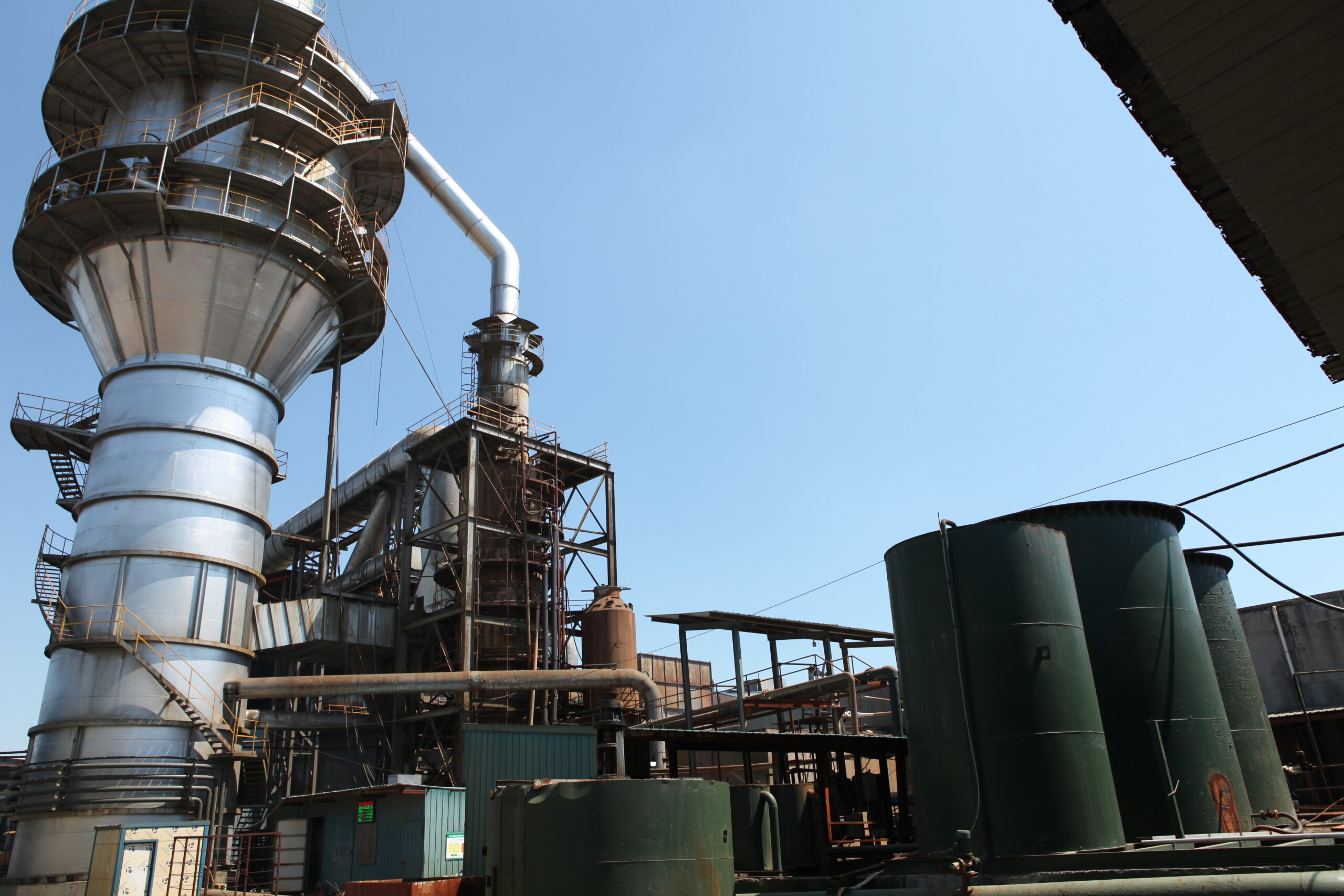
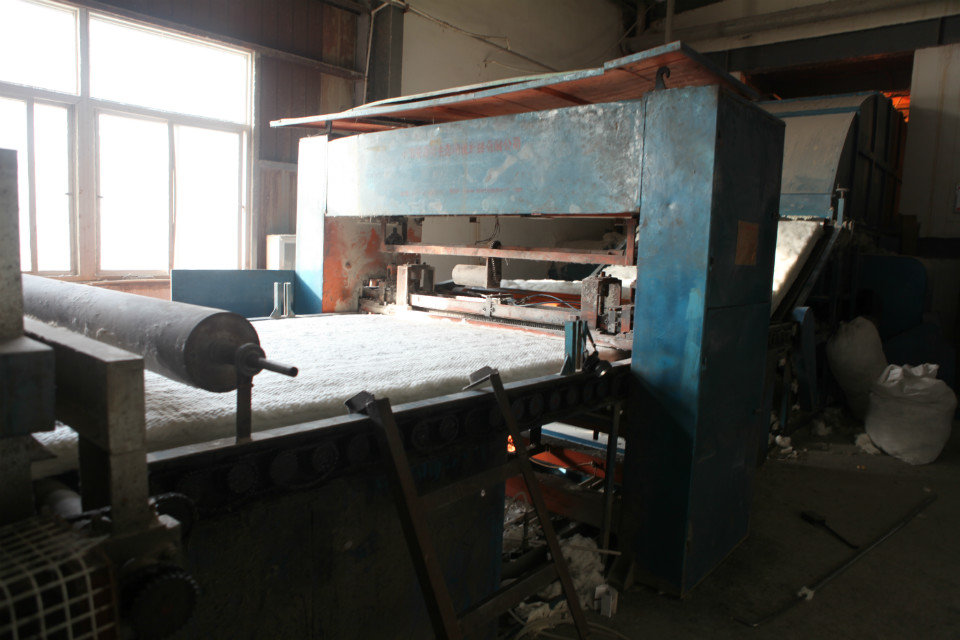
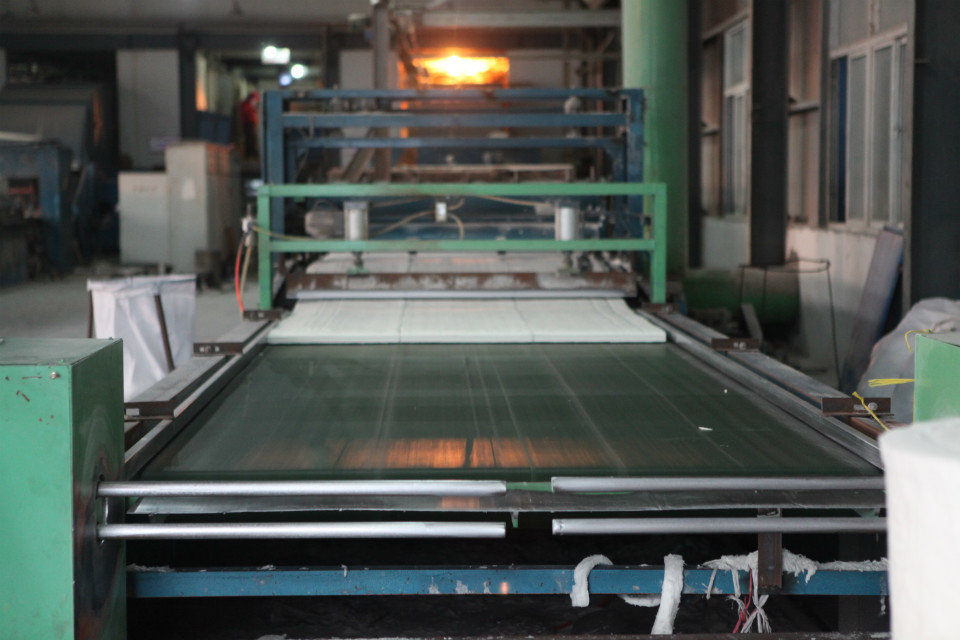
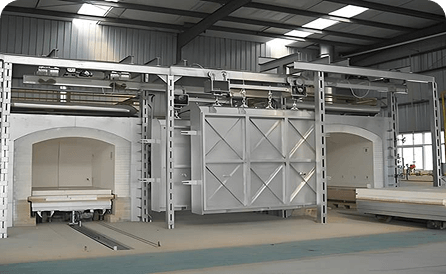
Ceramic fiber blanket is made from hard clay clinker, pyroxene, alumina silica powder and other raw materials. After being melted, blown or spun into fibers in a resistance furnace, the fiber cotton produced by the spinning process is made through processes such as needle punching, heat setting, longitudinal and transverse cutting, and rolling. It has the characteristics of regular size, smooth surface, low thermal conductivity, low heat capacity, no binder, excellent thermal stability, sound absorption and seismic resistance.